Christmas Sweet Treats. Svg Illustrations Review
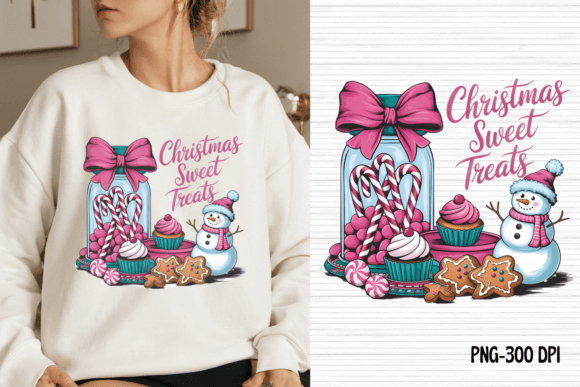
As a brand designer who spends half my day tweaking kerning and the other half analyzing conversion metrics, I approach every new graphic design asset with a mix of excitement and skepticism. We are all drowning in digital clutter. The difference between a campaign that gets scrolled past and one that stops the thumb is rarely just the copy—it is the visual hierarchy and the emotional resonance of the imagery. Recently, I evaluated a specific SVG file titled Christmas Sweet Treats. Svg for a potential integration into a Q4 marketing workflow. This review breaks down how this illustration performs not just as art, but as a strategic tool for small business branding, content marketing, and professional visual identity.
The First Impression: Mood and Emotional Tone
When you first load an SVG into your design software, the immediate question is always about mood. Does it feel premium? Playful? Nostalgic? Christmas Sweet Treats. Svg immediately establishes a warm, inviting atmosphere. It leans heavily into the cozy, indulgent side of the holiday season. For brand owners launching limited-edition products or promoting seasonal offers, this asset does not scream "corporate holiday sale." Instead, it whispers "handcrafted joy."
This distinction is critical for audience perception. If you are selling artisanal cookies, luxury bath bombs, or handmade ornaments, the visual tone must match the product quality. This illustration brings a sense of whimsy without sacrificing clarity. It feels suitable for casual branding and lifestyle content, yet it holds enough structural integrity to work in more polished editorial graphics. It creates an emotional connection by triggering the universal association between sweet treats and holiday comfort. For social media managers looking to boost engagement during the busy December period, this kind of positive, non-intrusive visual tone is often more effective than aggressive red-and-green sales graphics.
Real-World Application: A Seasonal Launch Scenario
To understand the practical value of this asset, let us frame it around a real marketing project. Imagine a small business owner launching a new line of holiday-themed candles or a boutique bakery introducing a gift box collection. Their goal is to refresh their social media visuals and create a cohesive content kit for Pinterest and Instagram.
In this workflow, Christmas Sweet Treats. Svg becomes a versatile component rather than a standalone image. Because it is an SVG design, the vector paths remain crisp at any scale. You can use it as a hero graphic on a website header for the landing page, ensuring the brand looks professional from the first click. It can be scaled down to serve as decorative accents on product labels or packaging inserts, adding a tactile feel to unboxing experiences. For digital ads, where space is limited, the clean lines of the illustration allow it to function effectively even when reduced to thumbnail size, provided the contrast is managed correctly.
This flexibility supports stronger recognition across platforms. When a user sees the same visual motif on a Facebook ad, an email banner, and a Pinterest pin, it reinforces the campaign’s visual identity. This consistency builds audience trust, signaling that the brand is organized, thoughtful, and reliable.
Strategic Branding and Visual Hierarchy
One of the most common mistakes in content marketing is letting the decoration overpower the message. A good graphic design asset should support the text, not compete with it. Christmas Sweet Treats. Svg excels here because of its inherent visual balance. The composition leaves enough negative space (or implied space) for typography to breathe.
When integrating this into a Canva template or a custom web design, consider how it pairs with different font styles. The playful nature of the illustration works beautifully with script fonts or handwritten fonts for headlines like "Holiday Special" or "Sweet Savings." However, for body copy or pricing details, a clean sans serif font provides the necessary readability. This combination creates a clear visual hierarchy: the eye is drawn to the charming illustration first, establishing context, and then moves naturally to the text for information.
This approach improves product presentation significantly. Whether you are designing lead magnets, media kits, or promotional banners, using this illustration helps frame your offer within a festive narrative without making the design look messy. It elevates the perceived value of the content, making free resources or paid products feel more curated and desirable.
Ideal Use Cases for Creative Entrepreneurs
Not every design asset fits every niche. Based on its aesthetic qualities, Christmas Sweet Treats. Svg is particularly strong in the following areas:
- Social Media Graphics: Perfect for Instagram posts and stories where visual appeal drives clicks. It adds a pop of color and theme to otherwise plain backgrounds.
- Packaging Design: As a decorative element on tags, stickers, or wrapping paper, it enhances the unboxing experience and encourages social sharing.
- Editorial Design: Ideal for blog headers, newsletter spotlights, or magazine-style layouts where a touch of whimsy breaks up dense text.
- Digital Products: If you sell printables, planners, or clipart bundles, this asset can be a high-value addition to a Christmas-themed design bundle.
- Merchandise: The vector format makes it easy to adapt for t-shirts, mugs, or tote bags, ensuring the lines remain sharp on fabric or ceramic.
For creative entrepreneurs and online coaches, these applications help maintain a modern design standard without requiring expensive custom illustration commissions. It allows for professional branding that looks bespoke, even when using pre-made assets.
Where to Exercise Caution
While this asset is versatile, it is not a universal fit. There are specific contexts where Christmas Sweet Treats. Svg might undermine your brand goals. Avoid using it in formal corporate branding or financial services, where the playful tone may appear unprofessional or out of place. Similarly, if you are creating dense information layouts, such as detailed infographics or technical manuals, the illustrative style may distract from the data.
Be mindful of mobile screens. While SVGs scale well, extremely small mobile graphics can sometimes lose detail if the lines are too thin. Always preview your designs on actual devices to ensure readability. Additionally, avoid placing this asset on low-contrast backgrounds. To maintain visual clarity, ensure there is sufficient separation between the illustration and the background color. Finally, do not use it for overly minimal brands that rely on stark, monochromatic aesthetics; the sweetness of the design will clash with a severe minimalist vibe.
Practical Designer Notes for Implementation
Before dropping this asset into your final campaign, follow these steps to ensure maximum impact:
- Test Color Palettes: Extract colors from the SVG and apply them to your brand palette. Does it harmonize, or does it create jarring clashes?
- Check Black and White Usage: Convert the SVG to grayscale to check its structural integrity. If it loses meaning without color, it may not be robust enough for all printing needs.
- Mockup Integration: Place the design inside real campaign mockups, such as a phone screen or a printed card, to judge its scale and presence.
- Font Pairing: Experiment with serif, sans serif, and display fonts to find the best typographic harmony.
- Review Spacing: Ensure adequate padding around the illustration so it does not feel cramped against edges or other elements.
- Verify Licensing: Most importantly, confirm commercial licensing before using it in paid campaigns, client work, or business branding. Ensure you have the right to modify and distribute the asset as part of your marketing materials.
In conclusion, Christmas Sweet Treats. Svg is a strong design asset for content creators and small business promotion. It offers a blend of charm and professionalism that can elevate your visual content marketing efforts. By understanding its strengths and limitations, you can integrate it seamlessly into your brand identity, creating memorable campaign visuals that resonate with your audience during the holiday season.